Swiss Cheese Plant (Monstera)
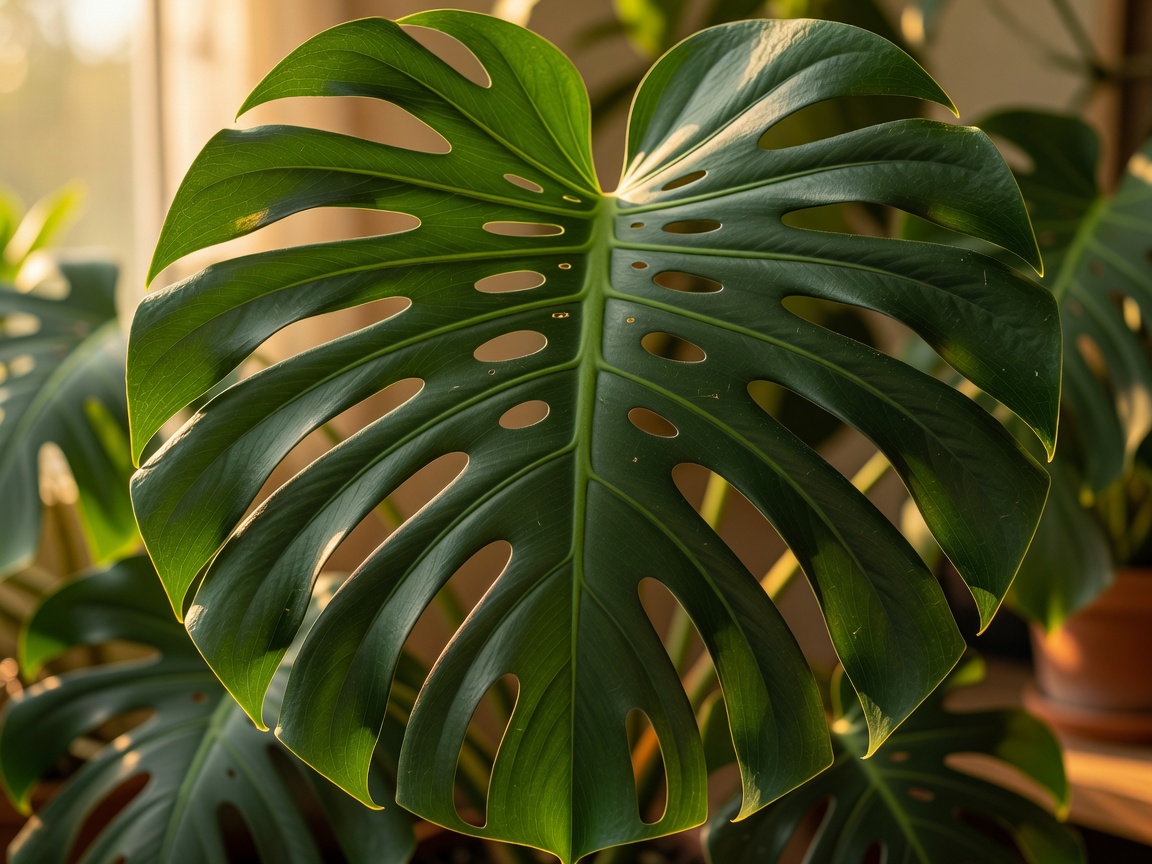
Distinguished by glossy, heart-shaped juvenile foliage that develops massive pinnatifid leaf perforations (fenestrations) with adventitious aerial roots engineered to climb rainforest host trunks.
Explore taxonomic classifications, native biome origins, leaf morphology keys, and scientific care parameters. Search by botanical name, family, or common alias.
Distinguished by glossy, heart-shaped juvenile foliage that develops massive pinnatifid leaf perforations (fenestrations) with adventitious aerial roots engineered to climb rainforest host trunks.
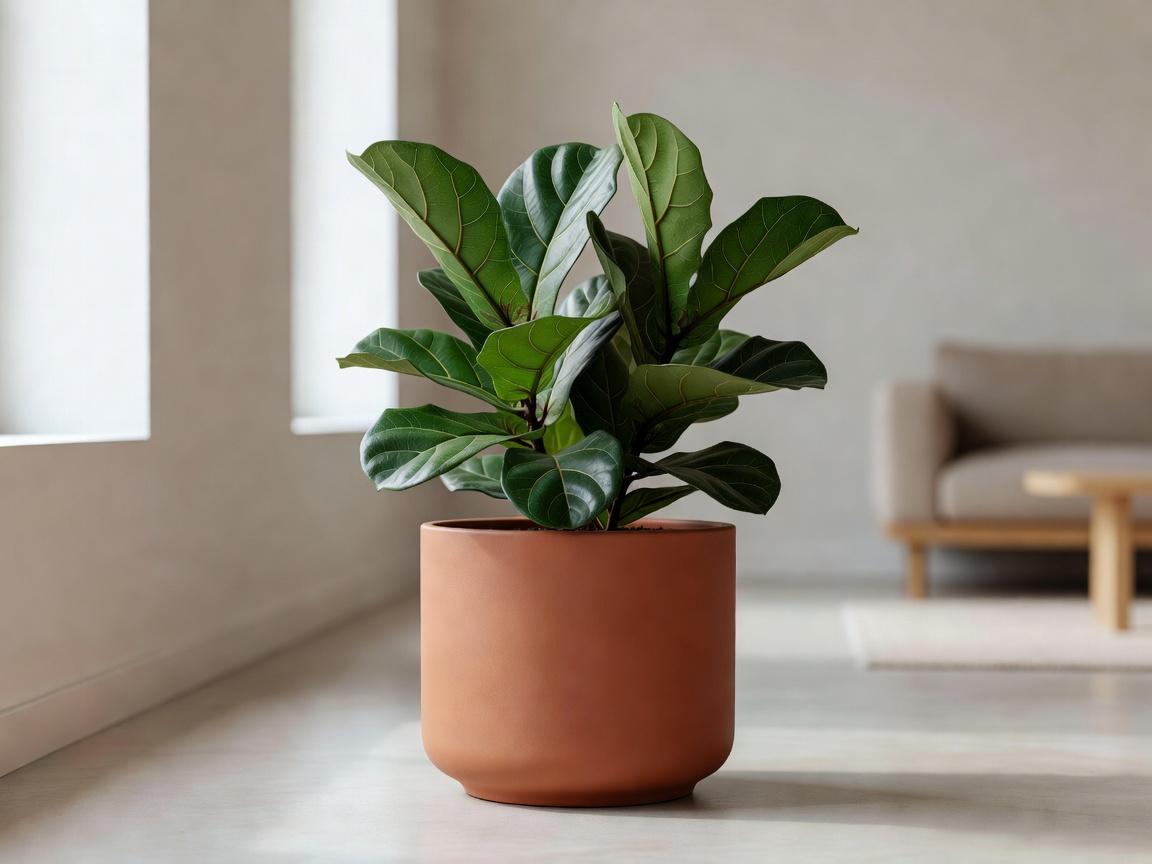
Identified by prominent lyrate (violin-shaped) coriaceous leaves up to 45cm long with prominent pale venation, undulating margins, and an upright woody trunk sensitive to drafty microclimates.
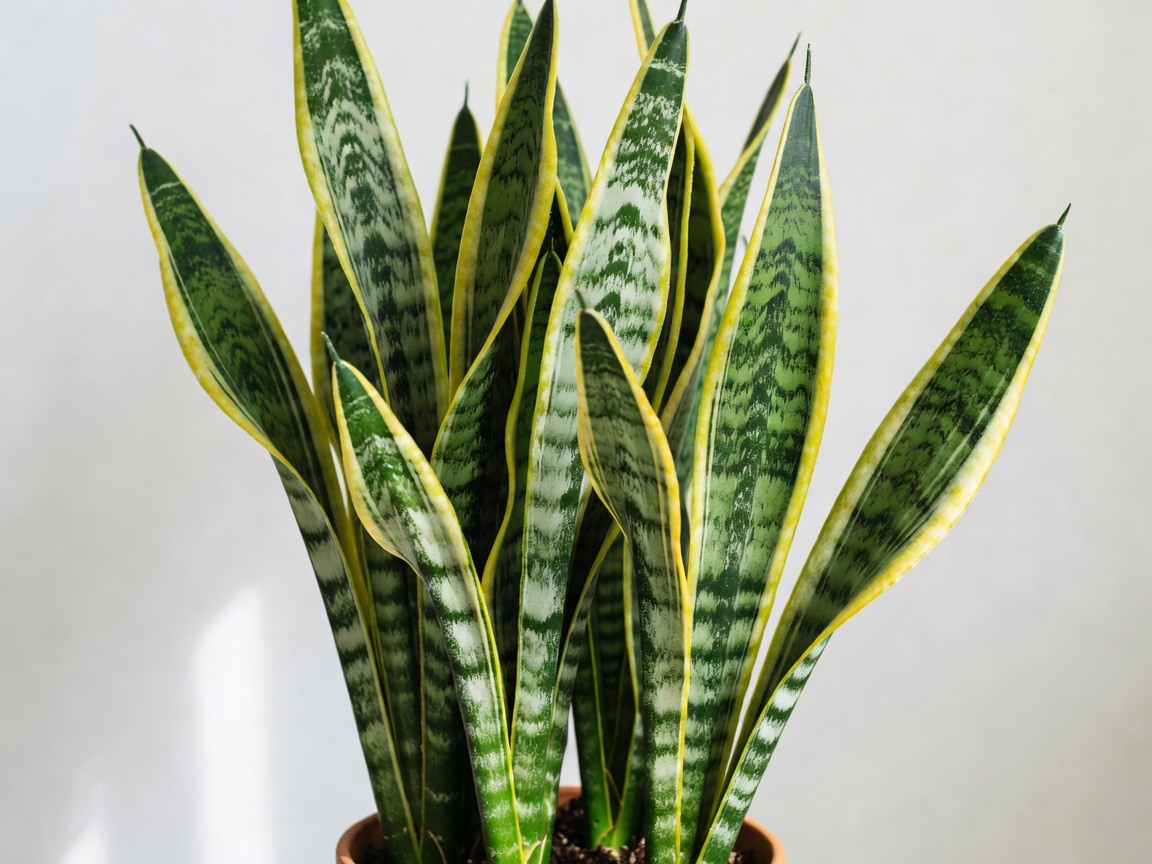
Characterized by rigid, erect sword-like xerophytic blades with dark green horizontal marbling and golden margins. Employs nocturnal CAM gas exchange to survive prolonged severe drought.
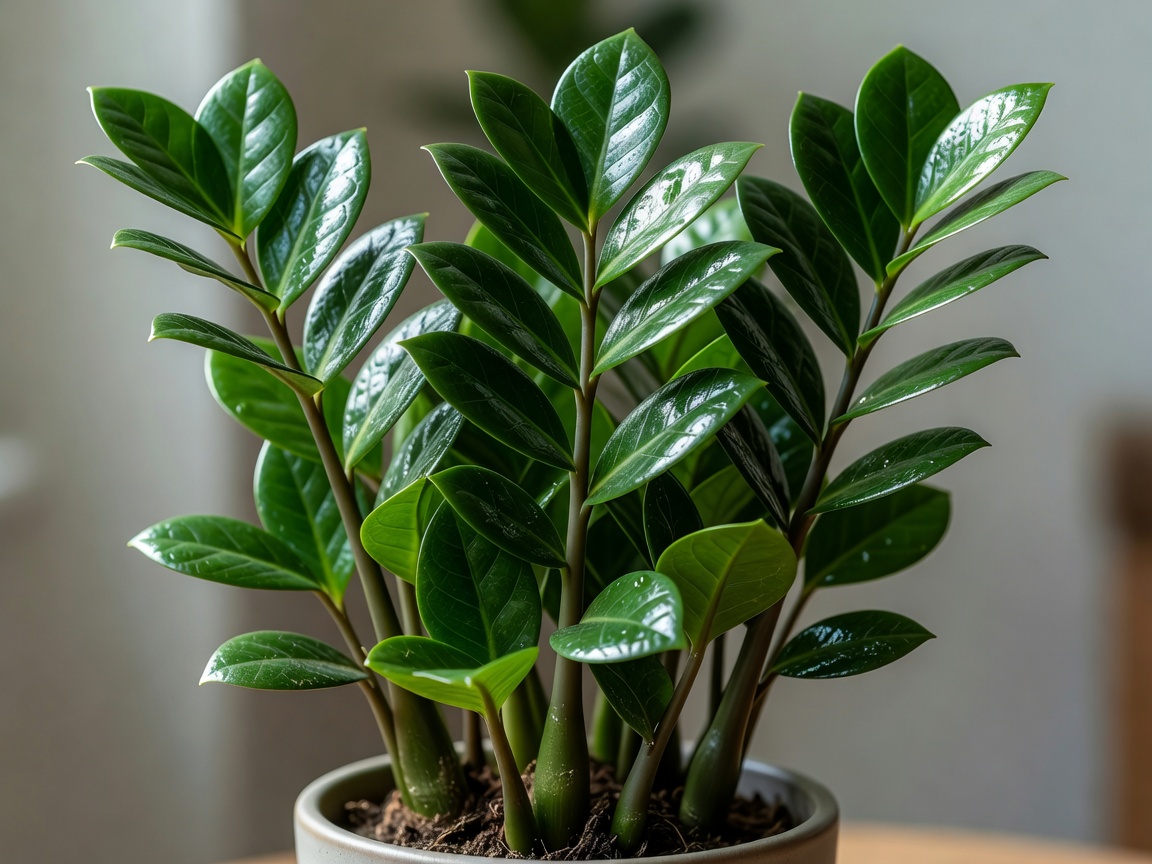
Features pinnately compound, high-gloss elliptic leaflets along succulent petioles. Stores reserve water inside subterranean potato-like tuberous rhizomes, making it impervious to dry neglect.
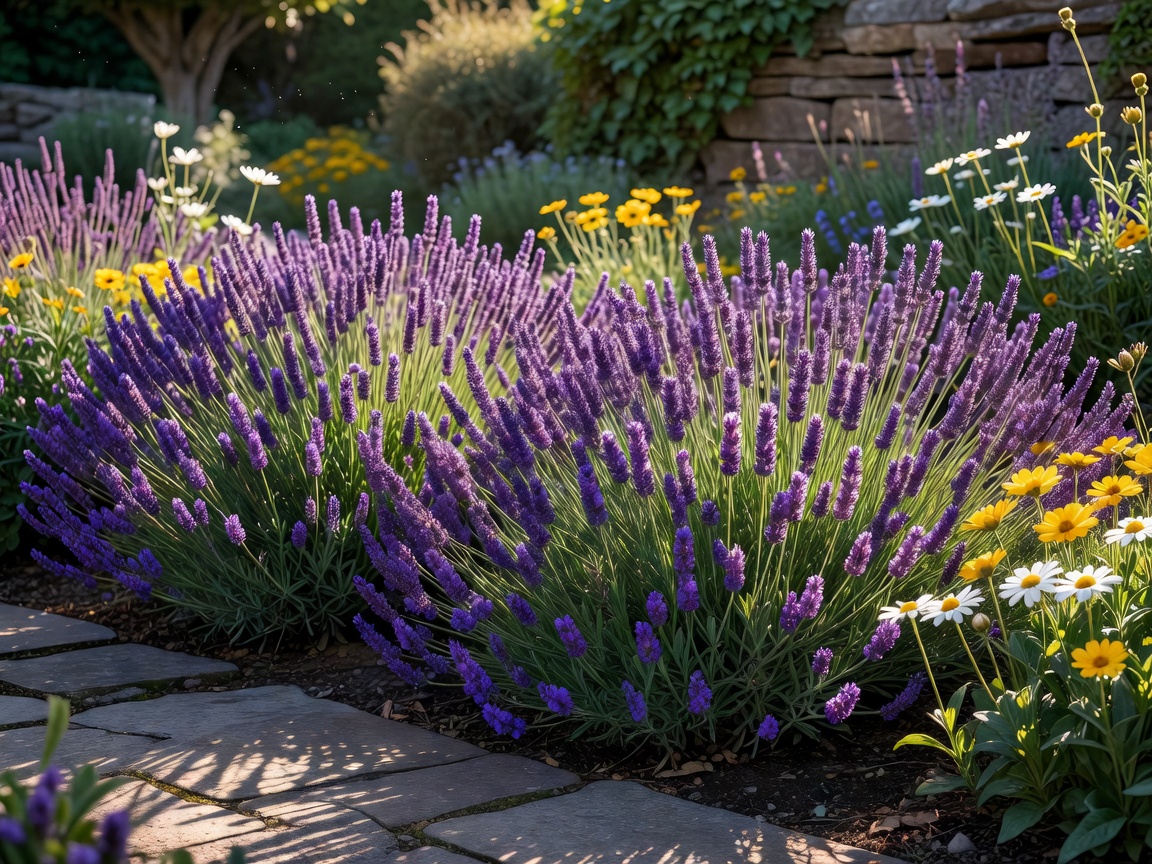
Recognized by linear narrow silver-grey tomentose leaves containing rich linalool essential oil pockets, producing terminal whorled spikes of fragrant nectar-rich blue-violet blossoms in midsummer.
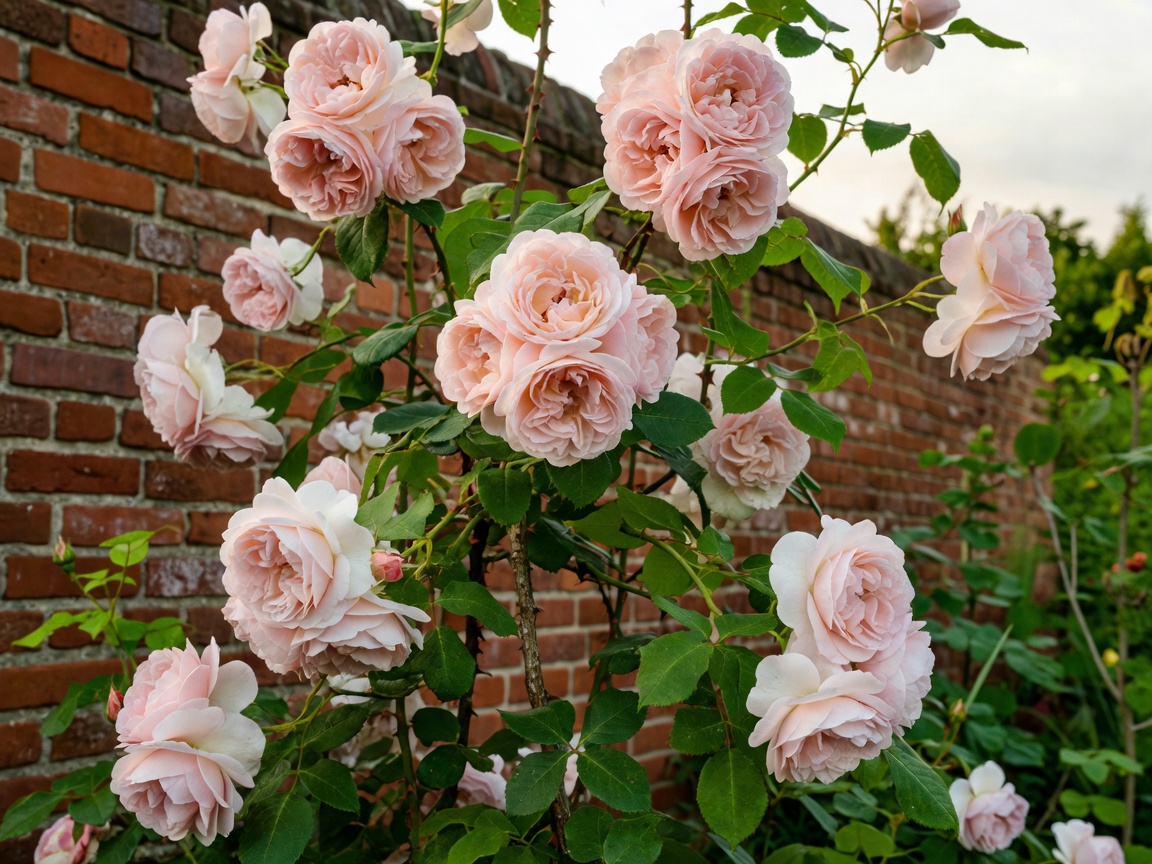
Distinguished by glandular-scented foliage emitting a crisp green-apple aroma when crushed, producing soft pink five-petaled blooms followed by bright scarlet oval hips rich in ascorbic acid.
Noted for ovate cordate waxy foliage splashed with creamy-gold variegation. Capable of thriving in artificial fluorescent light and rooting spontaneously from adventitious nodal meristems.